
by Thomas Lepeltier, European Scientist, 1st August 2025
The idea of a sixth mass extinction has taken hold in public debate. The article judges it empirically fragile, and above all used to put modernity on trial, when it is modernity that gives us the means to protect what deserves to be protected.
In brief
- A mass extinction, according to specialists, corresponds to the disappearance of at least 75% of species within one or two million years; over the past 500 years, we would be at only a few per cent.
- At least half of recorded extinctions concern island species, after the arrival of humans; the local biodiversity of these islands has sometimes increased.
- Extending current declines over centuries assumes that human pressures remain the same, which the author disputes: expanding European forests, a population expected to decline, conservation efforts.
The article’s three arguments
A threshold still very distant
The parallel with the end of the dinosaurs is premature: continental and marine biodiversity remains largely intact, and many of the species lost were island-dwelling or not widespread.
The present does not mechanically extend into the future
Colonisation of islands, deforestation, agricultural expansion: these pressures are not eternal. European forests have been expanding since the 19th century thanks to gains in agricultural productivity.
A trial of modernity
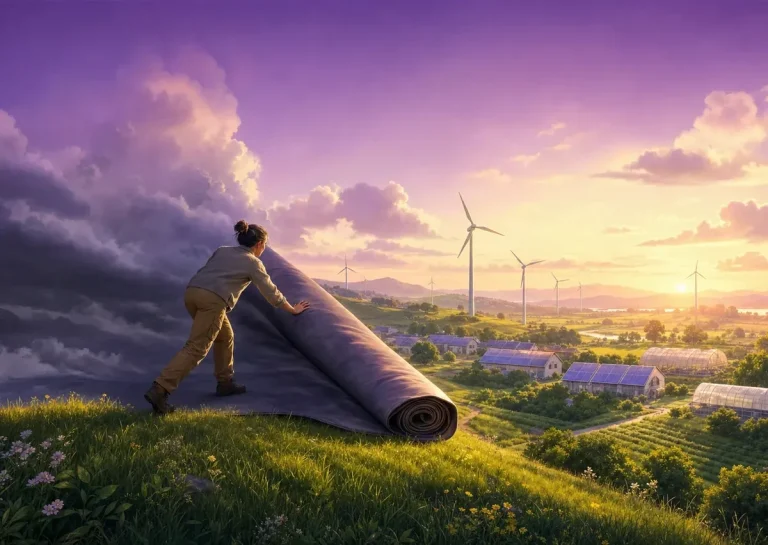
In the author’s view, the ‘sixth extinction’ narrative mainly serves a story of decline. It overlooks the fact that modern society has also made it possible to understand ecosystems better and to create tools to protect them.
‘It is therefore highly likely that humans will preserve a functional core of biodiversity sufficient to ensure the proper development of their civilisation.’Thomas Lepeltier, European Scientist, 1st August 2025
Why this debate interests us
Biodiversity is one of APALA’s working themes, and the ‘sixth extinction’ has become a common expression. This text invites us to return to the scientific definition before using the term, and to distinguish between the finding of declines, which is real, and the interpretation of them. This is the line we defend, notably in ‘Il n’y a pas de crise de la biodiversité !’.
Questions for debate
- Should the expression ‘sixth extinction’ be reserved for its strict scientific meaning?
- Is the decline of animal populations a more telling indicator than the number of species that have disappeared?
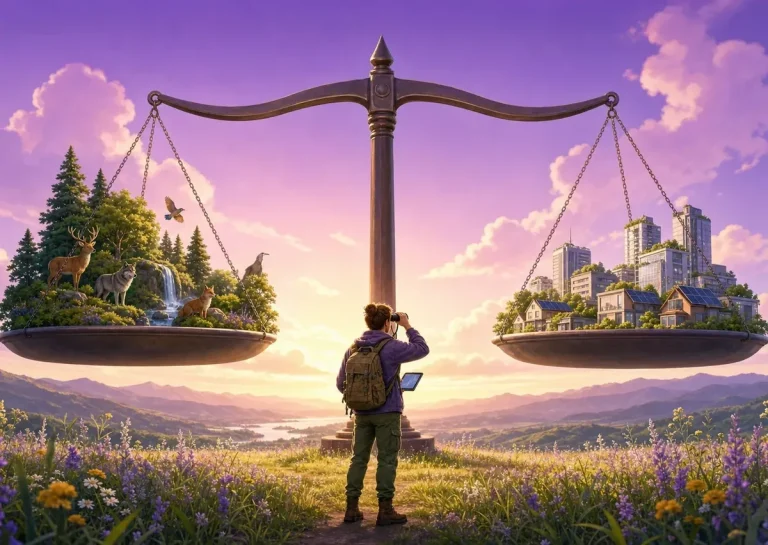
- What do we want to preserve in biodiversity, and for whom?
To go further on apala.fr
Summary written by Claude (Opus 5.5 model), an artificial intelligence, for APALA, based on the article published in European Scientist on 1st August 2025. The views expressed are those of the author. Spotted a mistake? Write to us.






0 comments