
by Thomas Lepeltier, European Scientist, 26 September 2026
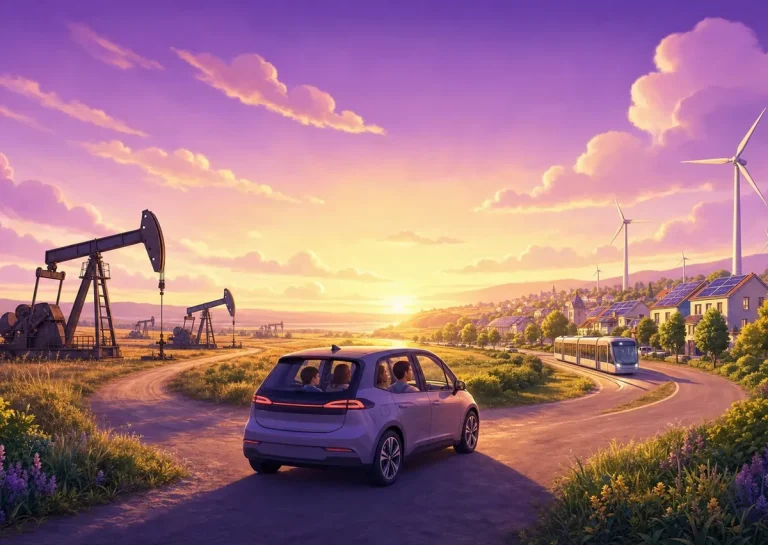
Climate, biodiversity, pollution, resources: none of the four major environmental fears points to a trajectory of collapse. Humanity is not a car speeding towards a wall, the article shows: it builds the road as it goes.
In brief
- The prophets of collapse respond to humanity’s progress with an image: all is well until the impact. The author challenges both assumptions behind this image, the existence of a ‘wall’ and the inability of societies to avoid it.
- Global warming will have costs and will cause deaths, but the IPCC scenarios describe societies that continue to develop, more slowly.
- Pollution and predicted shortages have, so far, been contained by innovation, regulation and substitution; nothing guarantees this for the future, but nothing points to a collision.
The article’s three arguments
A serious problem, not the end of the world
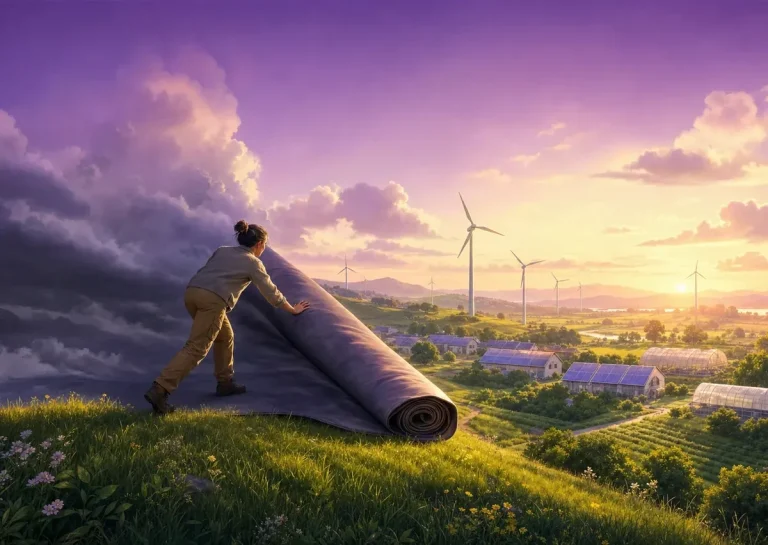
Heatwaves, economic costs and increased mortality are real. But societies adapt and are gradually reducing their dependence on fossil fuels, which have also prevented a considerable number of deaths.
A decline is not a collapse
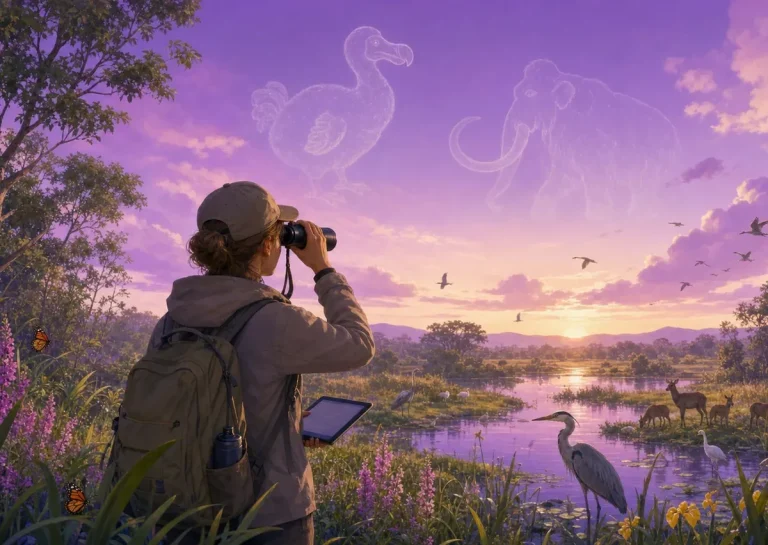
Ecosystems reorganise when populations decline. And the value of biodiversity lies not in the number of species, but in its effects on sentient beings, human and non-human.
A finite planet, an open future
From Malthus to the Meadows Report (1972), the predicted shortages never came: a resource is a material that ingenuity learns to discover, economise, recycle or replace.
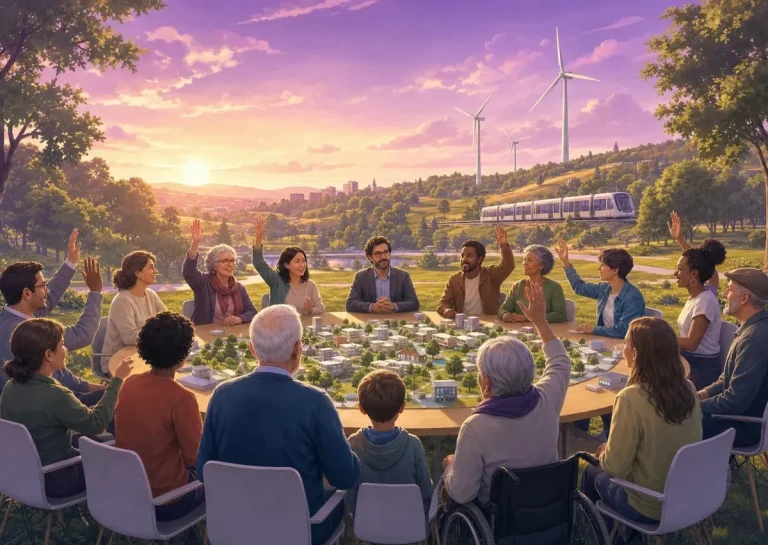
‘We are not the passengers of a car without brakes. We are the builders of the road along which we are travelling.’Thomas Lepeltier, European Scientist, 26 September 2026
Why this debate interests us
APALA advocates an ecology grounded in facts and focused on solutions, and shares this reading: we have defended it with regard to the Meadows Report, planetary boundaries and biodiversity. This text raises a question of method that is useful to everyone: when a catastrophe is announced, has the obstacle been shown, and has the capacity of societies to react been taken into account?
Questions for debate
- Does the past improvement in living conditions tell us anything about the future, or only about the past?
- Can biodiversity be judged by its effects on sentient beings rather than by the number of species?
- Will new pollutants (microplastics, PFAS) be brought under control as quickly as the old ones?
To go further on apala.fr
Summary written by Claude (Opus 5.5 model), an artificial intelligence, for APALA, based on the article published in European Scientist on 26 September 2026. The views expressed are those of the author. An error? Write to us.



0 comments