
by Thomas Lepeltier, Le Point, 1st October 2025
The ‘systemic sufficiency’ advocated by the engineer Philippe Bihouix rests on an overly pessimistic reading of resources and technology. Giving up abundance now, the article argues, would risk causing the very ills it seeks to avoid.
In brief
- In L’Insoutenable Abondance (Gallimard, 2025), Philippe Bihouix, known for L’Âge des low tech (2014), calls for an end to the ‘myth of technological salvation’ and for a chosen sufficiency to be organised.
- Thomas Lepeltier sees in it a renewed Malthusianism: we no longer predict scarcity, we declare that overcoming it would be destructive.
- His answer: more innovation, intelligence and entrepreneurial spirit, rather than a retreat into simplicity. Abundance would be the condition of sustainability, not its enemy.
The article’s three arguments
What matters is access, not stock
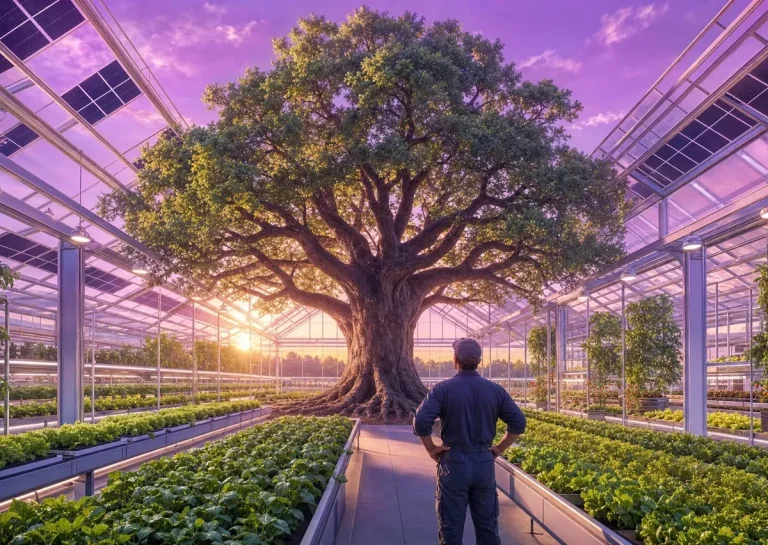
Stocks of materials are finite, but history shows that innovation makes many resources more accessible over time. The limit would lie less in nature than in our ingenuity, and in the belief that it cannot be overcome.
Complexity is not a dead end
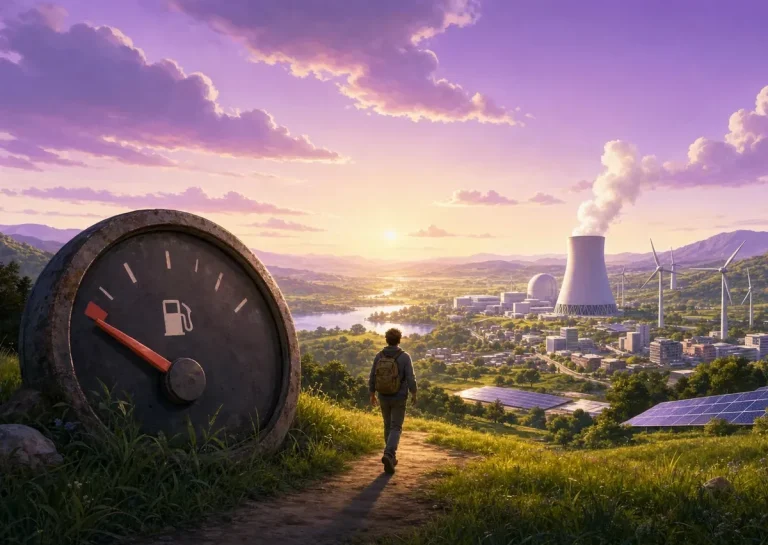
Technology has made it possible to produce more with less material, energy and time. Reserving ‘high-tech’ for a few uses deemed essential, such as medicine, would slow its spread, which depends precisely on its being produced at scale.
A frugality that is not universal
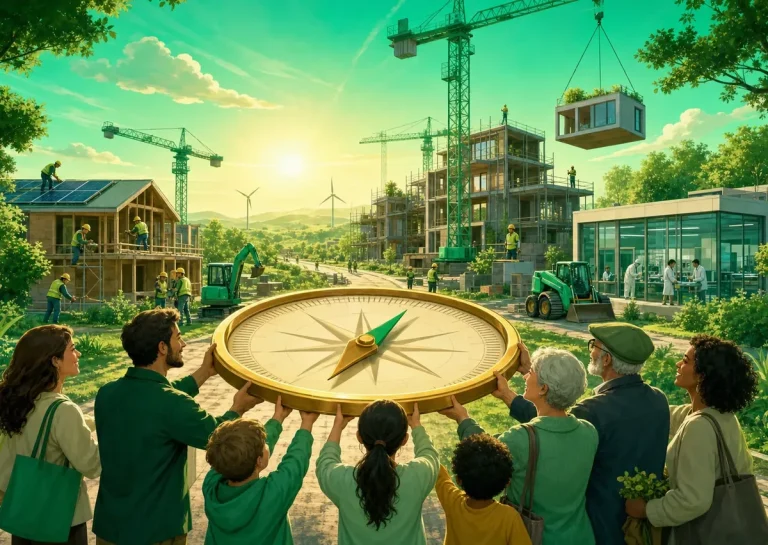
Growth is a universal aspiration: those who lack drinking water, electricity or housing are waiting for effective infrastructure. And nothing requires us to impose sufficiency on ourselves today for limits that may be distant.
‘The pursuit of abundance is not in fact the enemy of sustainability: it is its condition.’Thomas Lepeltier, Le Point, 1st October 2025
Why this debate interests us
Low-tech is part of APALA’s history: the association has designed, tested and incubated it. This text therefore challenges our own intuitions, and that is what makes it useful. It invites us to distinguish relevant, robust and accessible low-tech solutions from a sufficiency elevated into a societal project. It ties in with a question we often ask: are our frameworks for thinking about limits as solid as they appear?
Questions for debate
- Can efficiency gains keep pace with rising needs, or must some uses also be reduced?
- Where should we draw the line between a useful low-tech and an imposed renunciation?
- Can sufficiency be an individual choice without becoming a collective constraint?
To go further on apala.fr
Summary written by Claude (Opus 5.5 model), an artificial intelligence, for APALA, based on the article published in Le Point on 1st October 2025. The views expressed are those of the author. An error? Write to us.





0 comments