
by Thomas Lepeltier, Contrepoints, 31 October 2024
Is the conquest of space delusional or indecent? The article answers that, in the very long term, only a humanity that keeps innovating can hope to escape the threats hanging over the Earth, and that the remoteness of a danger does not erase the duty to prepare for it.
In brief
- Critics of space colonisation put forward thin scientific reasons, immense technical difficulties, enormous costs, and the urgency of looking after the Earth first.
- The author acknowledges that living sustainably in space still belongs to a very distant future, but refuses to set space research against the improvement of living conditions.
- He turns it into a moral question: if the imminent disappearance of humanity is unacceptable, its distant disappearance is no more acceptable.
The article’s three arguments
Relieving suffering today without sacrificing tomorrow
Devoting all our resources to immediate needs would prevent innovation, and therefore the reduction of future misery. And space research has unforeseen benefits, for example on the effects of radiation useful in cancer treatment.
A society that no longer develops becomes vulnerable
Without growth, less research: a humanity more exposed to hazards, unable to protect itself from an asteroid, and doomed in any case by the Sun’s increasing brightness in a few hundred million years.
Distance in time does not diminish the obligation
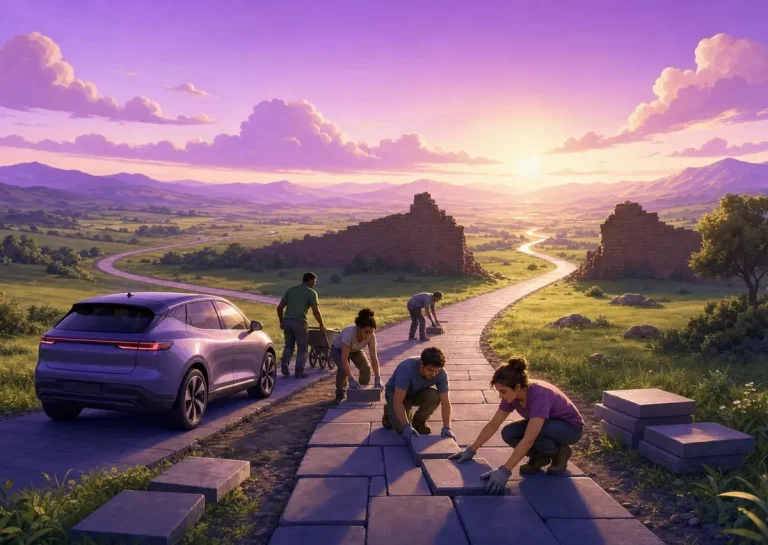
Faced with an asteroid due in a few years, we would consider it obligatory to deflect it. Why would this duty weaken when the threat is more distant? The means change, not the principle.
‘If humanity wants to try to prolong its adventure for as long as possible, it must consider colonising space and equip itself with the means to do so.’Thomas Lepeltier, Contrepoints, 31 October 2024
Why this debate interests us
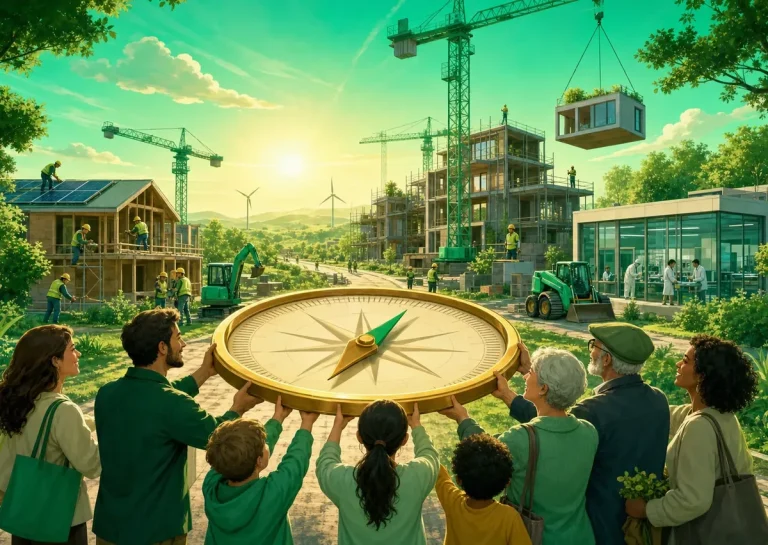
Foresight is one of the guiding threads of APALA: thinking about the transitions also means asking what time horizon we are reasoning over. This article goes against a widespread opinion and raises an ethical question that is rarely addressed: do we have duties towards humanity millions of years from now? It forces us to make our time horizons explicit, and reminds us that innovation is our best insurance against distant threats.
Questions for debate
- How far in time do our duties towards future generations extend?
- Does space research divert resources from earthly emergencies, or does it help to resolve them?
- Can a society without growth continue to fund fundamental research?
To go further on apala.fr
Summary written by Claude (Opus 5.5 model), an artificial intelligence, for APALA, based on the article published in Contrepoints on 31 October 2024. The views expressed are those of the author. Spotted a mistake? Write to us.






0 comments