
text co-signed by Jacques Lecomte, Le Monde, 16 August 2019
A collapse is possible, but it is not certain. The panic fuelled by collapsology paralyses as much as the certainties of climate sceptics, the six signatories argue: only concerted mobilisation by citizens, public authorities and businesses can change the game.
In brief
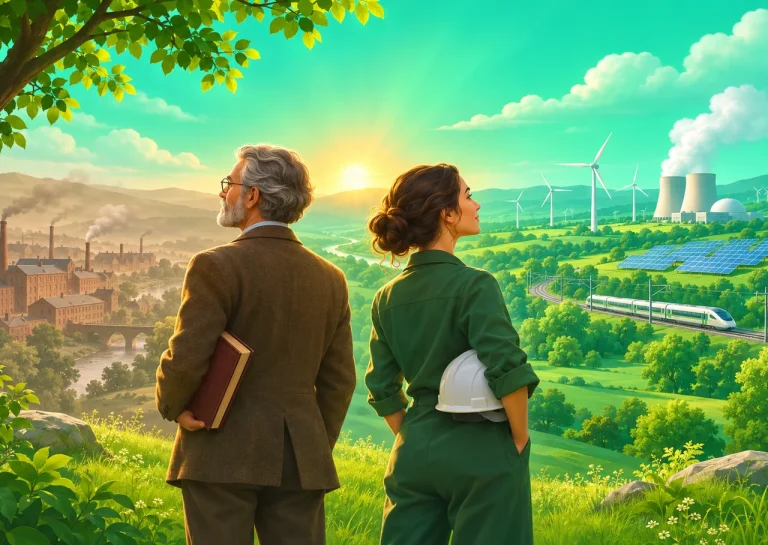
- The authors recall environmental crises that were overcome: deforestation averted in 17th-century Japan, the hole in the ozone layer halted, and the Rhine cleaned up from source to mouth.
- These successes rest on a ‘governance trilogy’: NGO activists, public officials and industrialists putting their resources at the service of the general interest.
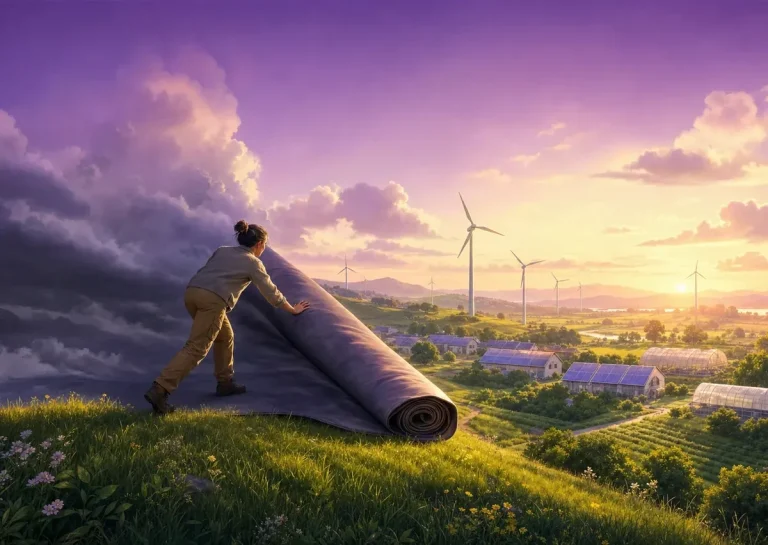
- In the face of climate disruption, they reject catastrophist communication and call for action now, with a clear-eyed view of the risks and confidence in the resilience of humans and of the living world.
The three arguments of the co-signed text
Nothing is inevitable
There is probably not one collapse but several partial collapses, whose accumulation would be serious. Yet history shows societies that, aware of a danger, corrected their mistakes: the ozone layer should be restored by around 2060 if vigilance is maintained.
Fear informs, but it demobilises
According to the social science research cited, catastrophist discourse increases awareness but generally reduces engagement. The authors cite climatologist Michael Mann: if it is too late, nothing justifies cutting our emissions any more.
Fund the transition and rely on human bonds
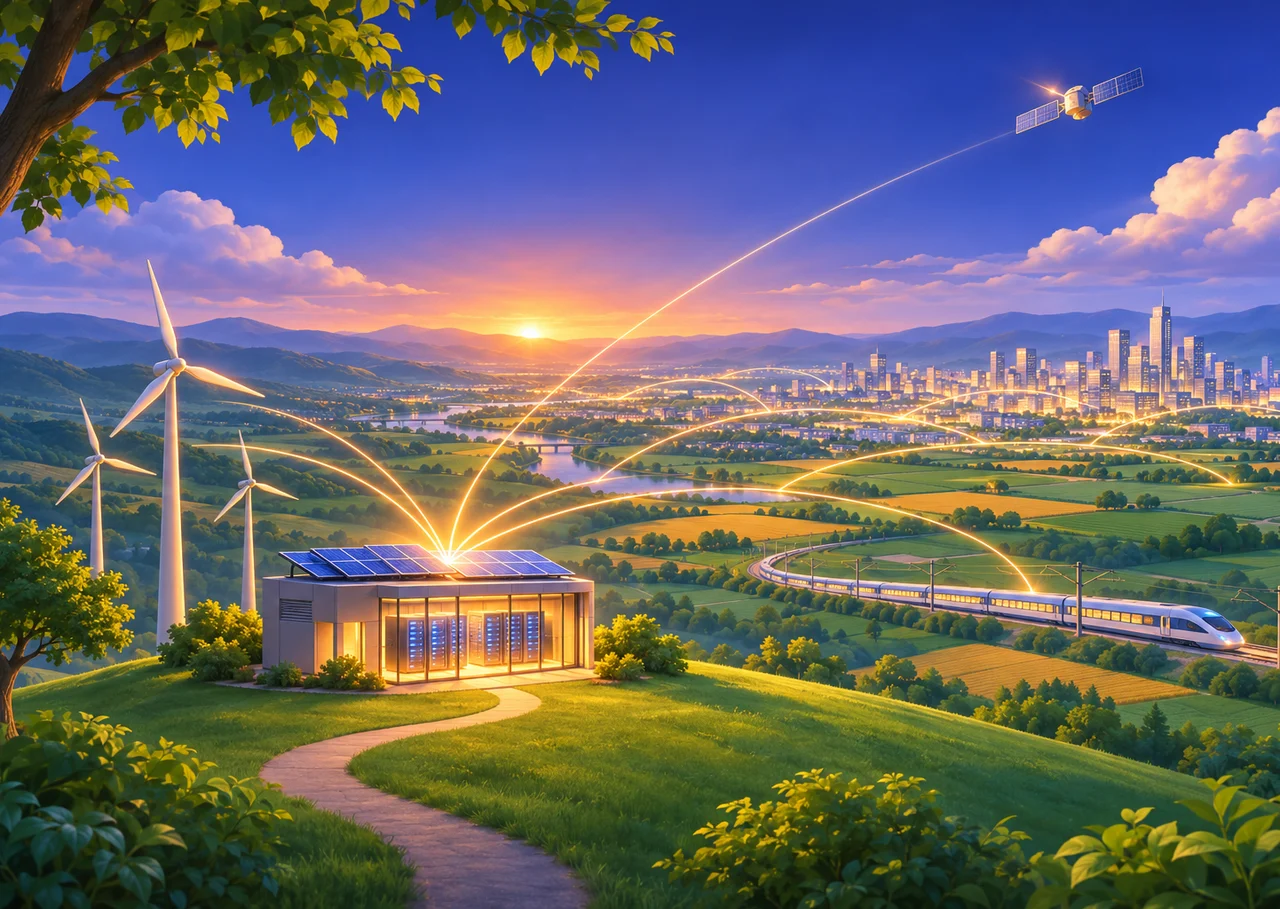
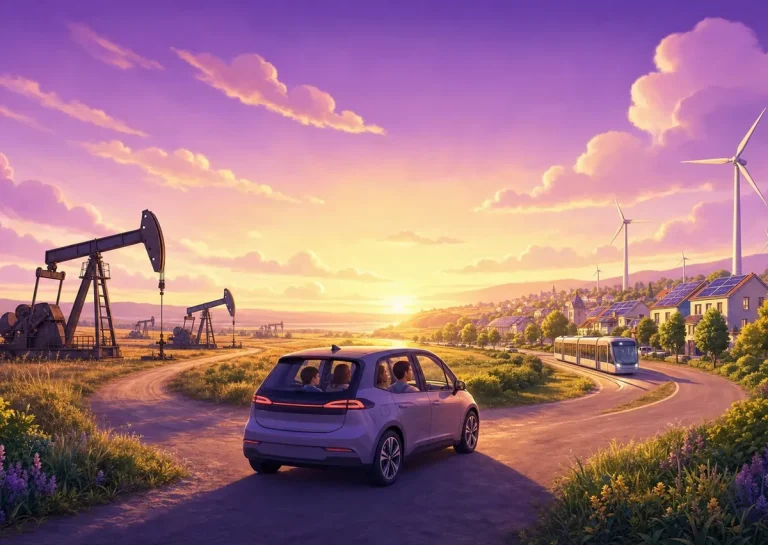
To decision-makers: firmly steer standards and finance towards a low-carbon economy and support a difficult social transition. To citizens: publicise grassroots experiments and the research showing that a life centred on relationships makes people happier than a materialistic one.
‘Admittedly, a collapse is possible; but no, it is not certain.’Geneviève Ancel, Isabelle Delannoy, Gaël Giraud, Alain Grandjean, Jean Jouzel and Jacques Lecomte, Le Monde, 16 August 2019
Why this debate interests us
This co-signed text sums up a line that APALA has long defended: taking ecological risks seriously without giving in to fatalism, and looking at what has already worked in order to draw inspiration from it. It echoes our work on how to think about crises, far from both simplistic views and catastrophism, and our critical reading of collapse scenarios.
Questions for debate
- Can we raise the alarm about the climate emergency without discouraging action?
- Can the successes of the ozone layer and the Rhine be transposed to the climate, a far larger problem?
- Who should take the lead in the ‘governance trilogy’: citizens, states or businesses?
To go further on apala.fr
Summary written by Claude (model Opus 5.5), an artificial intelligence, for APALA, based on the co-signed text published in Le Monde on 16 August 2019. The positions expressed are those of its signatories. A mistake? Write to us.




0 comments