interview with Antoine Buéno, Public Sénat, 5 February 2021
The conversation about the future has been hijacked by two extreme narratives: collapse and transhumanism. The most likely future lies somewhere between the two, argues the author of Futur : notre avenir de A à Z, who calls for reconciling ecological awareness with confidence in technology.
In brief
- Foresight is not prophecy: the futurist knows they are very likely to be wrong, and their scenarios often serve as warnings to avoid the worst.
- His book, a 672-page dictionary, covers 40 notions, from agriculture and food to the virtual, genetics and transhumanism.
- He argues for foresight geared towards action, in an increasingly interdependent and complex world.
The three ideas of the interview
Two narratives that hijack the future
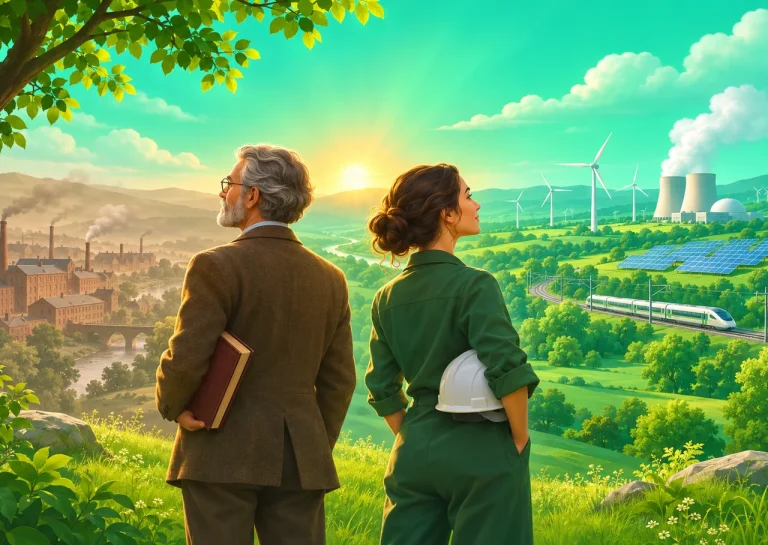
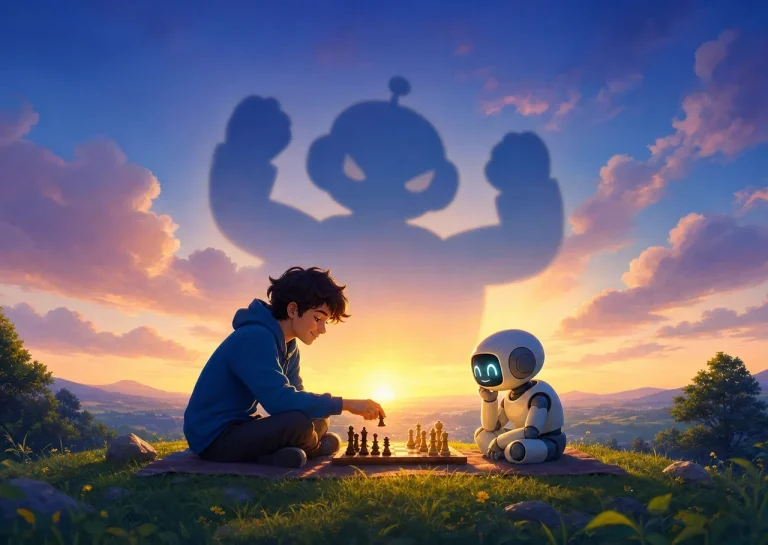
On one side, transhumanism promises that technology will fix everything, almost magically. On the other, collapsology announces the collapse of thermo-industrial civilisation. These narratives dominate, but they are not the most credible.
An intermediate world
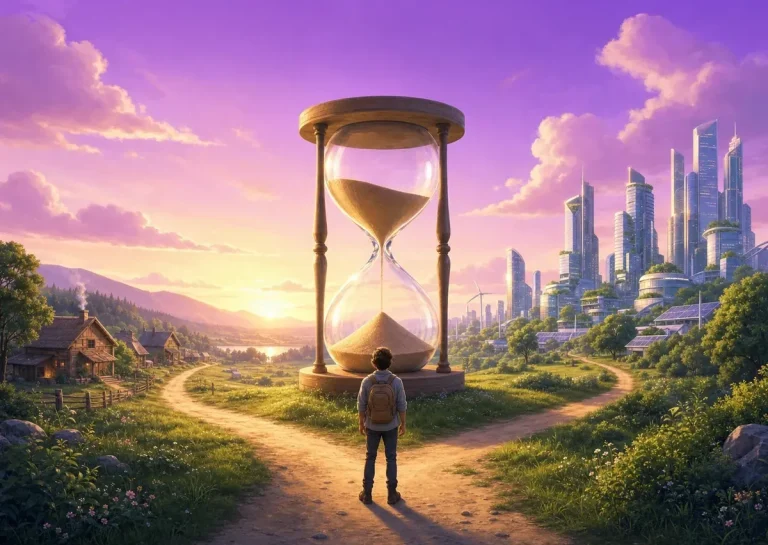
The environmental crisis is perhaps the greatest challenge of the decades to come, but collapse is not inevitable. Technology is revolutionising our lives, but the great upheavals are not for tomorrow.
Reconciling ecology and technology
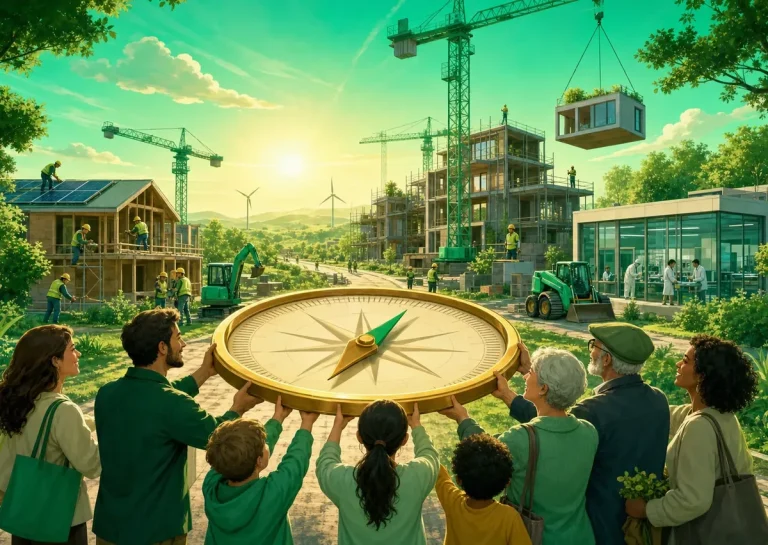
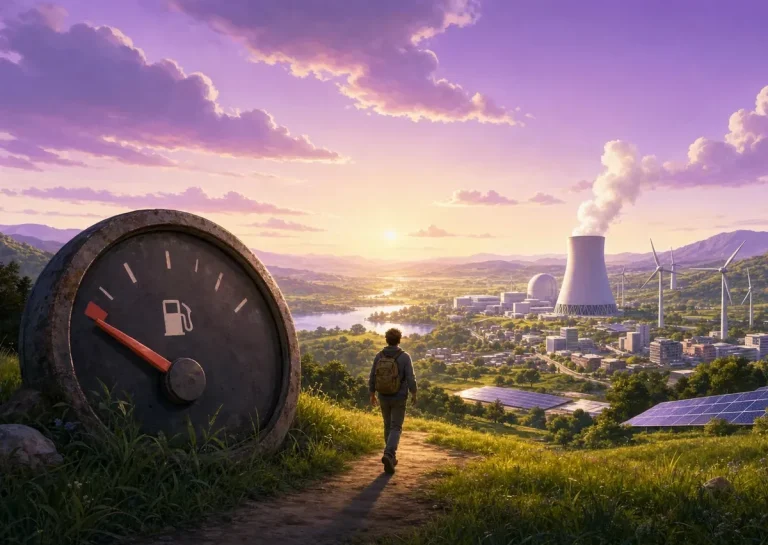
We need to fundamentally rethink our relationship with the environment, but we will not manage it without science. Hence the call for long-term reflection, not driven by the news cycle.
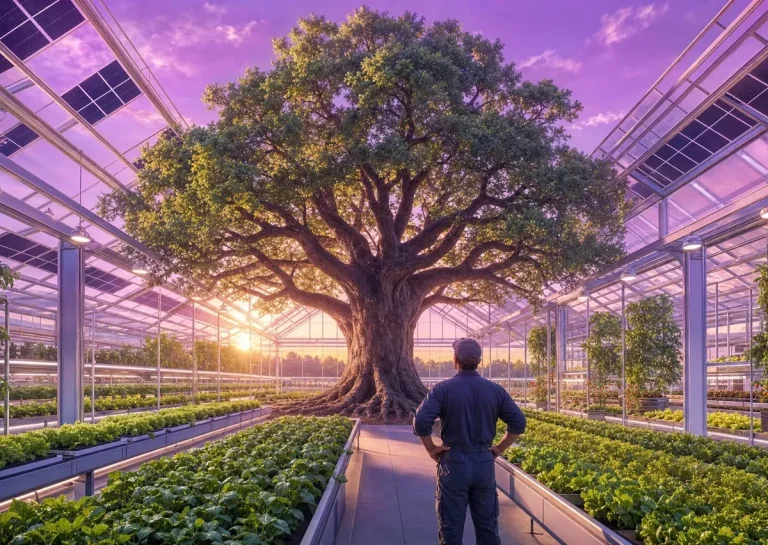
‘I think one can be an environmentalist and a technophile’Antoine Buéno, Public Sénat, 5 February 2021
Why this debate interests us
Reconciling the ecological transition with progress is one of APALA’s lines of work. This interview gives a clear formulation of it: rejecting both the fatalism of collapse and magical optimism, in order to keep the future open and debatable. It also recalls what foresight can contribute to public debate: not predicting, but shedding light on choices.
Questions for debate
- Can one be both an environmentalist and a technophile, or must one pick a side?
- Do extreme narratives about the future help us act, or do they prevent us from thinking through intermediate scenarios?
- What place should foresight have in public decision-making?
To go further on apala.fr
Summary written by Claude (Opus 5.5 model), an artificial intelligence, for APALA, based on the interview published on the Public Sénat website on 5 February 2021. The views expressed are those of the interviewee. Spotted a mistake? Write to us.

0 comments